
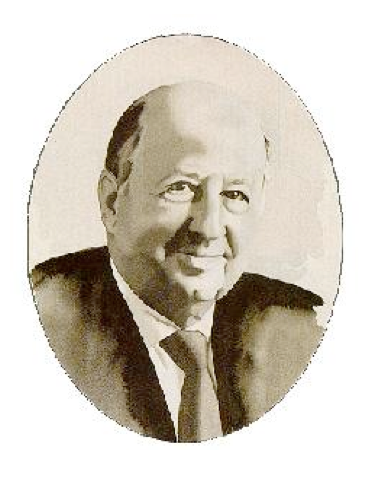
In all, the DOE poured about $137 million into gas research over a three-decade period.
Mitchell also benefited from the huge tax breaks that Congress passed in 1980 to encourage unconventional gas drilling. Between 1980 and 2002, federal tax credits given to all drillers totaled to $10 billion – credits that undoubtedly helped keep Mitchell’s costs down year after year as his team tried to crack the fracking code.
And finally, it all paid off. In 1998, 17 years after starting its Barnett Shale project, Mitchell hit pay dirt when his team tried using water instead of thick drilling fluids to frack the shale. The idea was controversial because water has the tendency to bloat rocks, causing the much-needed fractures to shrink up. Against all odds, it worked, turning the Barnett Shale into an instant gold mine and sparking a shale revolution that has changed the world. With just $6 million invested into the fracking project, The Economist called it “the best development money in the history of gas.”
The Spark that Started the Shale Revolution
Mitchell might not have invented fracking, but his commitment to developing the technology – with the aid of the federal government – kick-started the shale revolution. When Mitchell’s Barnett Shale project first began, a miniscule percentage of America’s oil and gas wells were fracked. By 2013, that number had grown to more than 90%.
